

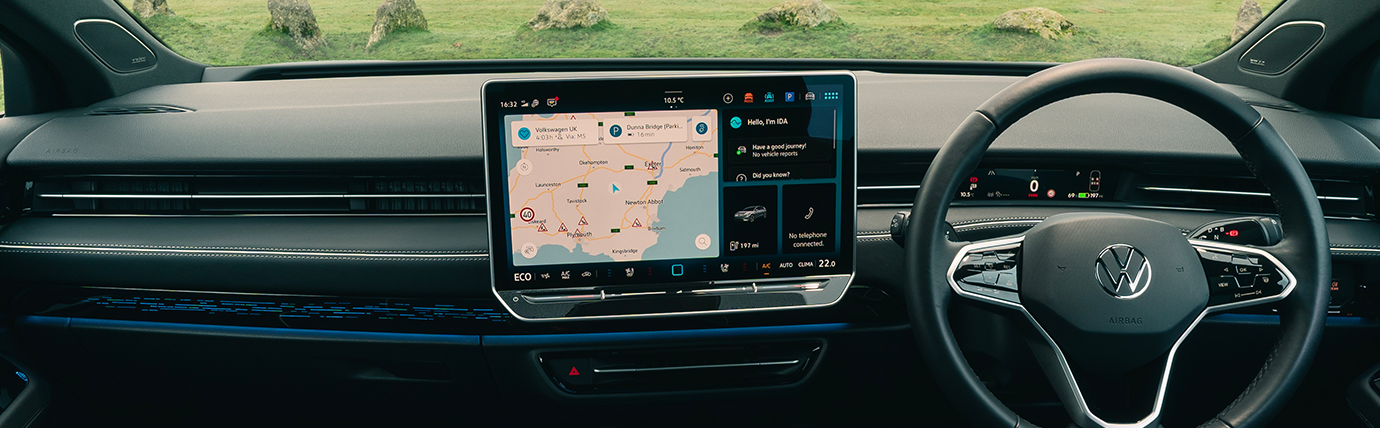
EV range anxiety is still a key topic of conversation where making the switch to electric cars are concerned.
Although our Motorfinity research reveals that 44% of UK drivers already own or are considering making the switch to an EV, there remains apprehension around range. A recent study found that two thirds (66%) of non-EV drivers have range anxiety, falling to 57% among test drivers, and again for EV owners (50%).
Whichever way you look at it, it seems that range anxiety isn’t going away completely anytime soon.
Table of Contents
In this detailed guide, we help you to overcome your electric car range anxiety by:
- Explaining what EV range anxiety is
- The common factors that influence EV range
- Our 7 steps to avoiding EV range anxiety
What is range anxiety?
EV range anxiety is the fear of your electric vehicle’s battery running out of power before you reach your desired destination.
While petrol and diesel car owners naturally cast an eye at the fuel gauge, there are certain factors that cause electric vehicle range anxiety, including:
- EVs not covering as many miles as some petrol and diesel cars
- EVs taking longer to charge
- Battery ranges being affected by weather and driving style
- Public chargers being less common
It’s inevitable that new technology will bring a sense of unease. For those who don’t own an EV, unfamiliarity plays its part. This isn’t exclusive to EVs however, as there was once anxiety around technology that we now take for granted such as telephones – and now we can’t be without one!
Time is a major factor. With EV technology and infrastructure continuing to develop along with more people making the switch, range anxiety will likely decrease to a point where electric cars become the new standard.
Find out more about the common questions around EVsWhat are common EV range factors?
Just because EV range anxiety is a state of mind, doesn’t mean that it isn’t entirely warranted.
While each EV will promise an official range, what you will actually achieve is something else entirely. This is due to a combination of technical, environmental and behavioural factors, which include the below.

Battery size
The size of an EV’s battery plays a major role as it controls how much energy the vehicle can store.
Unsurprisingly, a larger battery can store more electrical energy. For example:
- A 40 kWh battery may deliver approximately 150-200 miles of range
- A 75-100 kWh battery may deliver 300+ miles
Vehicle efficiency also has an impact on EV range. So, even if two EVs have the same size battery, their respective efficiencies can mean that one will offer a better range than the other. The remaining points in this section provide an insight into efficiency factors.
Top tip
A larger battery does not automatically mean you’ll achieve a higher range as efficiency is also key. When looking for an EV, investigate other factors such as the vehicle’s weight and streamline design features as these can have a significant impact on range.
Find out why you should consider making the switch to an EV
Individual driving style
How you drive your car can have a fundamental impact on your EV range output. Due to electric motors responding instantly to certain driver conditions, it can see a spike in energy usage.
Common behaviours can include:
- Rapid acceleration - such as hard launches or driving in ‘sport mode’
- Driving at higher speeds - such as 70mph on a motorway rather than 30mph through town
- Aggressive braking - rather than gentle, regenerative braking that will convert kinetic energy into electricity
Speed is often the most influential factor. It therefore reiterates the importance of driving sensibly. Not only will you keep those around you safe, but you will inevitably achieve an improved range output!
Top tip
Supporting sensible driving where possible is always a smart approach. If available, don’t be afraid to use ‘eco mode’ to allow your range capacity to stretch further.

Vehicle weight
Simply put, the heavier an EV, the more energy is required to perform actions such as accelerate, climb hills, or even stop.
The reason for this is because larger mass requires additional force for the same level of acceleration. And with this force being powered by the motor, it in turn draws more energy from the battery.
Common vehicle weight factors include:
- Number of passengers
- Luggage or roof cargo
- Towing trailers
- Heavy vehicle design
- Heavy battery design
A common scenario is driving to the airport with additional passengers and luggage than normal. Regardless of the situation, always plan ahead by ensuring there are EV charging stations en route if required.
Top tip
Try to keep your car as decluttered as possible, especially in the boot. If you carry only work and personal essentials, this will help to keep your car lighter and improve range.

Road conditions
Road conditions can affect EV range output by influencing how much energy the vehicle must use to keep moving. The amount of energy output is dependent on the type of condition as some have more of an impact than others.
However, common scenarios can include:
- Ice and snow
- Road surface quality e.g. potholes
- Standing water
- Hills and elevation
Top tip
If you’re planning a long journey in adverse weather conditions such as snow and ice, it would be wise to plan an extra charging stop along the way to ensure peace of mind.

Weather conditions
Weather conditions have a huge influence on EV range as electric motors respond to temperature changes accordingly. This is especially prevalent in colder climates, with it being reported that EVs can lose 20% to 40% range in sub-freezing conditions.
As the weather temperature decreases, it causes internal friction which reduces the battery’s ability to generate power, accept charge, or store energy efficiently. This can lead to:
- Acceleration feeling weaker
- Slower charging speeds
- Decrease in range
Top tip
During the colder months, try and get into the habit of preconditioning your battery while it is charging. A warm battery will charge more efficiently, while delivering a better range.

Use of air conditioning
Although cold weather has more of an influence, warm weather can also contribute towards a lower range output.
This is due to the use of air conditioning (A/C) as the cooling system draws electrical power directly from the same battery that is used to power your car.
How much power is used depends on factors such as:
- Outside temperature
- Cabin target temperature
- Fan speed
- Cabin size
- Vehicle insulation
Using air conditioning has a similar impact on EVs as it does ICE vehicles; except instead of using fuel, it uses electricity instead.
Top tip
Pre-cool your EV before you set off. This means using the air con whilst it’s charging, allowing you to use the grid rather than the battery!

Tyre type and condition
With tyres being responsible for most of the rolling resistance that a motor has to overcome at low and medium speeds, their type and condition can have a major impact on EV range.
Certain tyres and their condition can therefore make either friction or drag more prevalent, which increases the amount of electricity required.
Common tyre types and conditions include:
- Sports tyres
- Underinflated tyres
- Over worn or damaged tyres
- Winter tyres during warmer seasons
Top tip
Conduct weekly tyre pressure checks to ensure they meet the required levels outlined by the manufacturer.
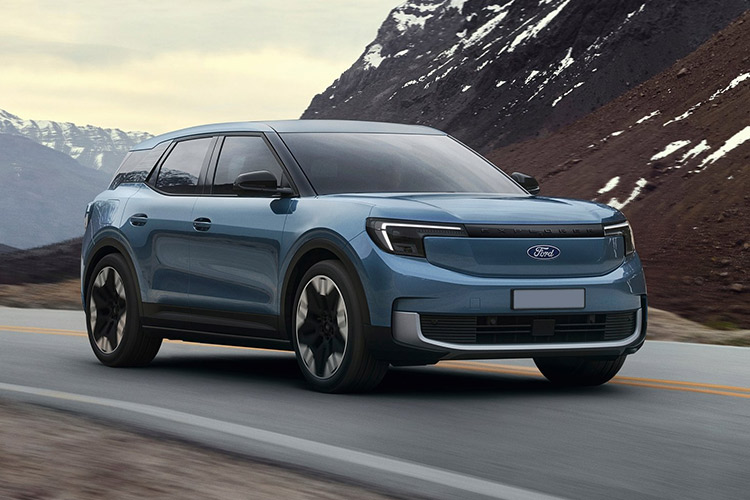
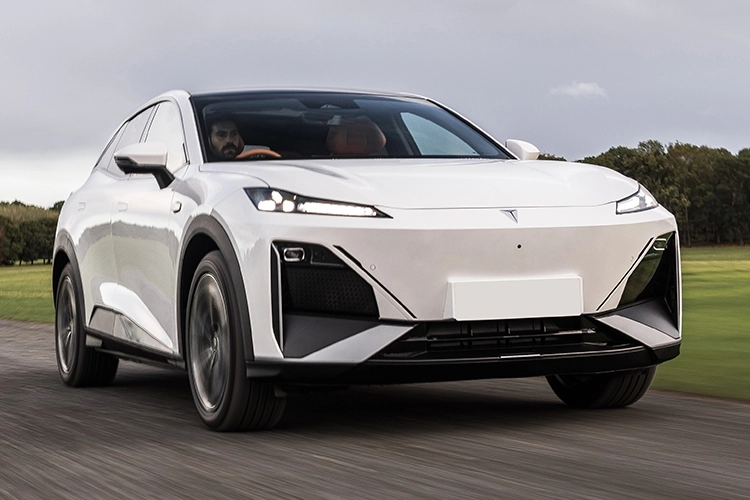
Our top long range EV picks
At Motorfinity, we stock an impressive selection of long range EV options for eligible frontline workers. See 3 of our top picks below.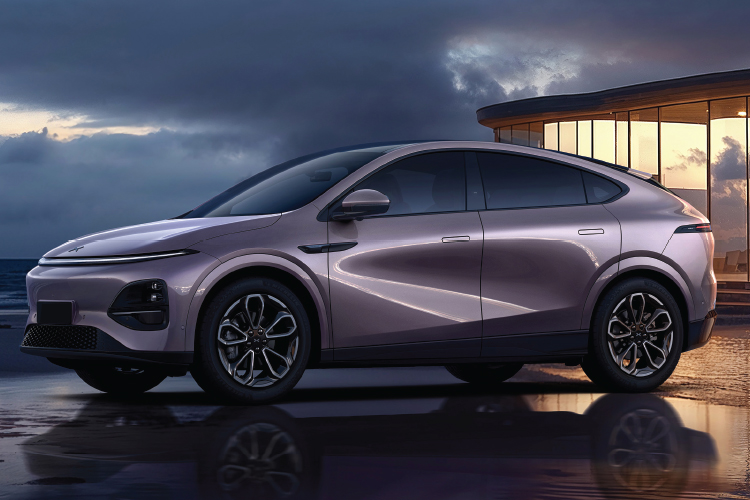
Our 6 steps on how to avoid range anxiety
Feeling cautious towards an electric car is natural, especially if you’ve only previously owned petrol and diesel cars. However, electric vehicle range anxiety doesn’t reflect the reality of being an electric car owner.
In this section, we look to put your mind at ease by sharing our 6 steps on how to avoid range anxiety – prior to purchasing an EV through to owning the vehicle.
Step #1 – Plan around real-world range

Before buying an EV, it’s important to understand that there is a difference between the official range stated by a car manufacturer and what it will achieve in the context of day-to-day driving.
An advertised range is generally measured under standardised test cycles which don’t take factors into account such as:
- Driving styles
- Usable battery size
- Weather conditions
- Journey type e.g. town or motorway
Armed with this knowledge from the outset, you can compare different makes and models to find a range that is suitable for you.
Step #2 – Look into EVs that suit your lifestyle

Once you’re able to get an idea of the ranges available, you can begin to determine what is suitable for your lifestyle. This is predominantly split into two main areas:
- Work life e.g. commuting
- Personal life e.g. school runs and hobbies
Let’s take a Community Nurse as an example. Not only do they commute to several different residencies throughout their shift, but they may also have personal errands to complete such as school drop offs and grocery shopping.
Someone in a role such as this should therefore be more conscious of a long range EV.
Step #3 – Charge your EV from home

Charging an EV from home is significantly cheaper than:
- Fuelling up a petrol or diesel car
- Charging an EV at public charge points such as at petrol stations and motorway services
For these reasons, investing in a home charge point can help run an EV at an affordable price. The most common approach is fast charging that provides an output of 7-22kW which is a charge speed of approximately 25-90 miles of range per hour.
While the price of the charge is dependent on tariffs, it will still be far cheaper than the fuel and charge types outlined above.
Step #4 – Plan your routes accordingly

A full charge isn’t an excuse for complacency, however.
In some circumstances, a full charge may not be sufficient to get you to your destination without being tactical. For example, if you live in the north of the UK and have planned a holiday in Cornwall, there would be a strong possibility that you will need to charge your EV en route.
You can easily keep any electric vehicle range anxiety at bay by simply planning ahead. A great method is to look at your journey via GPS apps such as Google Maps or Waze and pinpoint service stations via ‘points of interest’. Once you’ve found these, you can decide ahead of your journey which one to stop off at before completing a stress-free journey.
Step #5 – Avoid running the battery low

EV range anxiety will deepen if you’re running your car on a low battery.
Building on the previous step, home charging capability allows you to charge your car overnight, meaning that you will be in the sound knowledge of your car being fully charged for the next day.
Embracing a routine whereby you charge your car every night will ensure that you can start your journey without the worry of your battery not being sufficiently charged.
Step #6 – Use fast chargers sparingly and strategically

Fast charging may seem like a good idea when you’re out on the road. But relying heavily on this type of charge will quickly eat into your wallet.
Instead, it’s better to take a more sensible approach to fast charging by limiting it to long-distance travel rather than short runs in and around town.
Choose an EV that suits your lifestyle today
EV range anxiety can easily be avoided. If you’re new to electric cars, gaining an understanding of how they operate and which one can suit your lifestyle is a huge step forward towards overcoming any apprehension you may have about them.
That’s where our knowledgeable team are here to help. Whether you have an EV-related question or wish to enquire about our impressive selection of electric cars, our professional team will steer you in the right direction.
Speak to a member of the teamAre you eligible?
At Motorfinity, we offer brand-new cars to a broad range of frontline sectors. If you're an eligible frontline worker, you could be driving away in your dream car at a discounted price!
Find out if you are eligible for a brand-new carRelated articles

Are electric cars the future?
Estimated Read Time: 5 minutes
Find out more about electric cars as we answer several of the most common questions around them.
Read more
ICE vs EV: why you should consider making the switch
Estimated Read Time: 5 minutes
Find out more about the differences between EV and ICE vehicles and why you should consider the former.
Read more
XPENG partnership introduces our latest discounted Chinese car options
Estimated Read Time: 3 minutes
Find out more about our partnership with XPENG.
Read more