

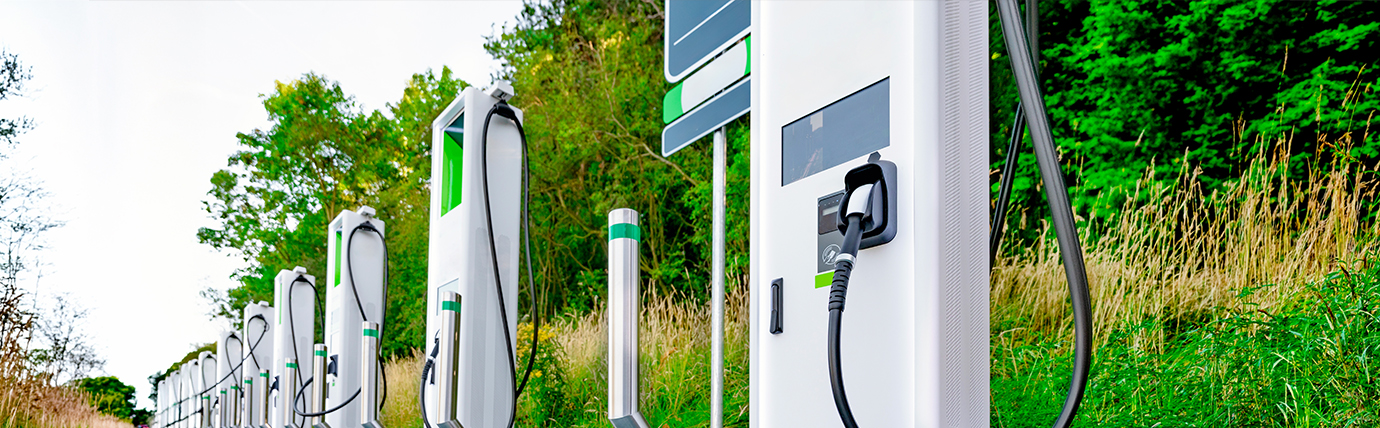
Since the government first shared plans to phase out petrol and diesel vehicles back in 2020, electric vehicles (EVs) have been brought to the forefront as their replacement by 2030.
And to capitalise on the market and future-proof themselves, car manufacturers have been introducing various EV models as a viable alternative.
But are electric cars the future?
Table of contents
In this article, we look to answer common questions asked by motorists in order to gain an understanding of the EV and its place in the future of motoring.
Speak to a member of the teamWhat is an EV?
An EV is a vehicle that is run on electricity in replacement of - or in addition to - fossil fuels such as petrol and diesel.
Instead of a fuel tank, an EV consists of a large rechargeable battery that powers a motor rather than an engine. And the best part? The battery is charged with a plug-in cable – not too dissimilar to a mobile phone!
The vastly different approach to EV engineering therefore sees several unique features from an internal combustion engine (ICE) car, which includes:
- No exhaust – cutting out exhaust fumes and tailpipe emissions entirely
- No engine – contributing to a much quieter drive
- Lower centre of gravity due to battery placement – contributing towards better handling, especially around corners
- Fewer moving parts – avoiding less maintenance such as oil changes
For more information, watch the video below of our very own Char who provides a simple breakdown of an EV!
Find out more about why you should consider switching to an EV
How far can an EV travel on a single charge?
For those considering an EV, a common factor that causes apprehension is the range that can be achieved on a single charge.
It’s worth bearing in mind that the advertised range and what is actually achieved are two different beasts entirely. The former is often higher than you will achieve, as real-world driving is affected by factors such as:
- Speed (higher speeds use more energy)
- Weather (cold climate reduces battery efficiency)
- Hills and terrain
- Use of heating/air conditioning
- Driving habits and style
However, range shouldn’t be an issue as most EVs provide an output of approximately 150-300 real-world driving miles, with newer models averaging between 250-270 miles.
For context, we’ve provided three examples of cars on a lower, medium, and premium budget and their official advertised range.
| Ford Puma Gen-E | Changan Deepal S05 | Genesis GV60 | |
|---|---|---|---|
| Range | Up to 259 miles | Up to 354 miles | Up to 348 miles |
| Retail Price | From £26,245 | From £37,990 | From £54,115 |
| Motorfinity price | From £22,858 | From £28,247 | From £46,918 |
| Deals | See deal | See deal | See deal |
These cars demonstrate that electric cars provide sufficient range for most motorists – with battery technology inevitably continuing to improve over time!
What are the different types of EV charging?
With EVs eventually being the only brand-new cars on the market, it would suggest that charging a car will be the future of ‘fuelling’. And if you currently own an internal combustion engine (ICE) vehicle, now would be an ideal time to understand the various types of EV charging to futureproof yourself.
The types of EV charging are outlined below.
Slow charging (3kW)
.png)
Slow charging provides an output of up to 3kW, equating to a charge speed of approximately 8-12 miles of range per hour.
This setup consists of a regular plug – affectionately known as a ‘granny charger’ – that fits into a standard 3-pin household socket. Although it is the cheapest approach to EV charging, it isn’t ideal for those who drive consistently due to its slow charging speed. Instead, it’s better served for either occasional or emergency use.
Where is this commonly used?
- Home
Fast charging (7-22 kW AC)
.png)
Depending on tariffs, fast charging provides an output of 7-22kW which offers a speed of approximately 25-90 miles of range per hour.
This setup consists of an AC charger and is the most common approach for EV drivers as their car can be left to charge overnight, ensuring it is fully charged for the next day.
Where is this commonly used?
- Home
Rapid charging (50kW DC)
.png)
As the name suggests, this charges quicker than the standard ‘fast charging’, providing an output of 50kW DC which equates to approximately 100-150 miles in 30-60 minutes.
Rapid charging is adopted in public spaces such as motorways and service stations, making it an ideal approach if you require a quick top-up when on a long-distance journey.
Where is this commonly used?
- Motorway services
- Petrol stations
Ultra-rapid charging (100-350 kW DC)
.png)
For those who require the fastest charge-type, ultra-rapid charging provides an output of 100-350kW DC that equates to approximately 200+ miles in 15-30 minutes.
Although not all cars are compatible with this type of charge, it offers the fastest possible charge for those who are travelling long distances.
Where is this commonly used?
- Major motorway service areas
- Dedicated charging hubs
How much does it cost to charge an electric car?
The cost of charging an electric vehicle isn’t necessarily a clear-cut answer as there are a number of factors that are at play. These can include:
- The model of EV
- The EV’s battery size
- The type of charge adopted
- Whether charging from empty or topping up
However, to provide context, our table below provides an insight into how much it costs to charge three EV models from empty with each charge type. Please be aware that these prices are approximate and reflect the energy prices at the time of publication!
| Battery size | Slow charging (3kW) | Fast charging (7-22 kW AC) | Rapid charging (50kW DC) | Ultra-rapid charging (100-350 kW DC) | |
|---|---|---|---|---|---|
| Ford Puma Gen-E | 43.6 kWh (usable) | £8.72 – £13.08 | £10.90 - £15.26 | £26.16 - £32.70 | £30.52 - £37.06 |
| Changan Deepal S05 | 69 kWh | £13.80 - £20.70 | £17.25 - £24.15 | £41.40 - £51.75 | £48.30 - £58.65 |
| Genesis GV60 | 84 kWh | £16.80 - £25.20 | £21 - £29.40 | £50.40 - £63 | £58.80 - £71.40 |
The key takeaway here is the affordability of charging an EV. Although you would most likely adopt both rapid and ultra-rapid charging for topping up when planning long journeys, the home-based fast charging certainly provides a cost-effective approach.
When you consider the expense of both petrol and diesel fuel, EV charging points to a more affordable future!
Should you choose an EV or hybrid car?
EV and hybrid technology have been a gamechanger for motorists.
The introduction of this has moved away from the only fuel choices being petrol and diesel. Instead, motorists can choose to adopt cars that are powered solely by electricity or a combination of this with either petrol or diesel.
However, these consist of different engineering approaches and therefore have their own unique features. So, before you decide on EV or hybrid, you should first gain a top-level understanding of the different types and their unique differences.
These are outlined in further detail below.
Battery electric vehicles (BEVs)
.png)
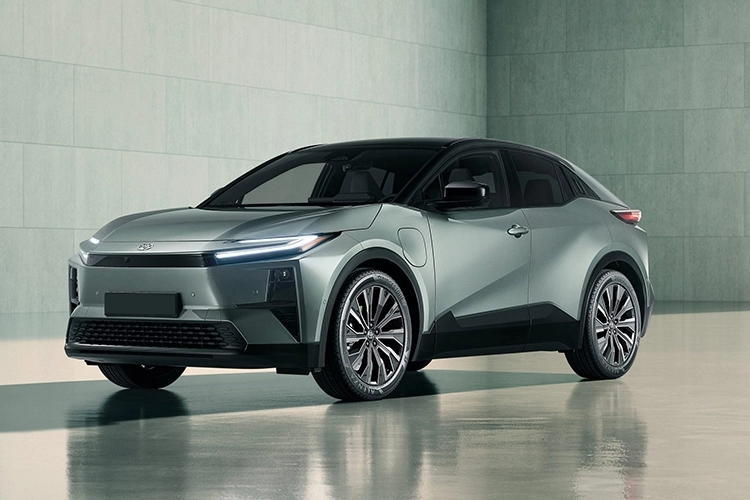
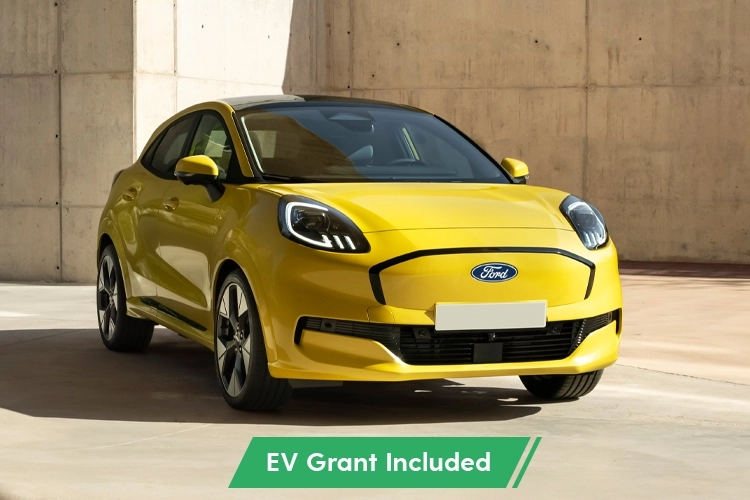
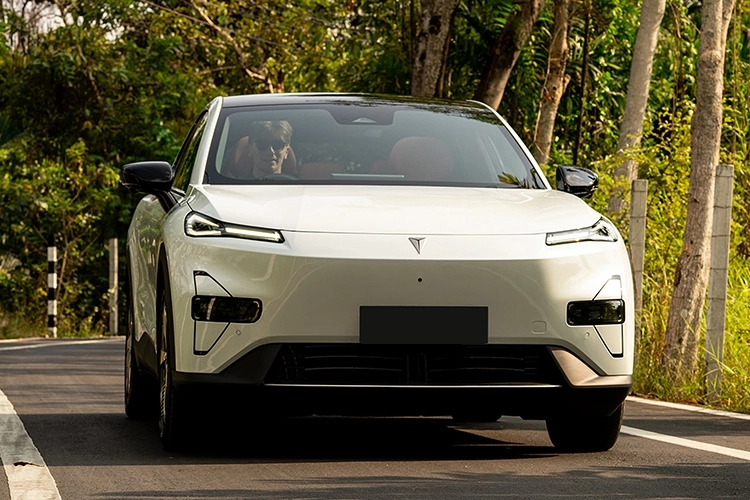
BEVs are all-electric EVs and are powered entirely by a combination of a battery pack and an electric motor. The latter replaces the petrol engine and is charged either by a home charger or a public charging station.
Unique features
- Range varies 150-400+ (depending on model)
- Quiet and smooth driving experience
- Instant acceleration due to electric torque
Example models
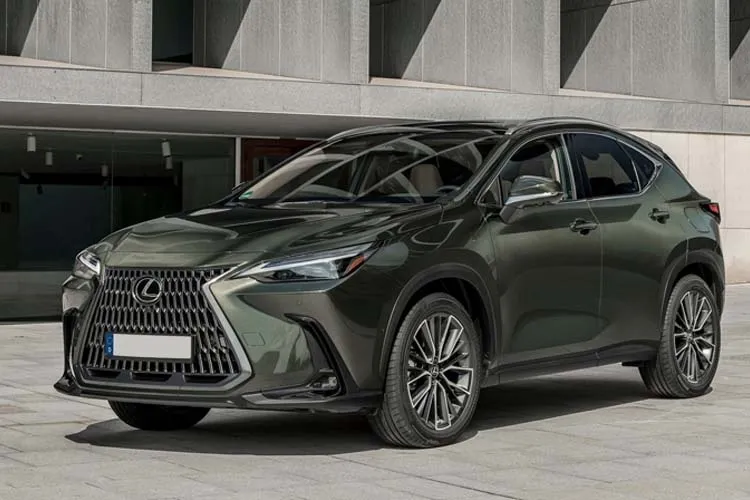
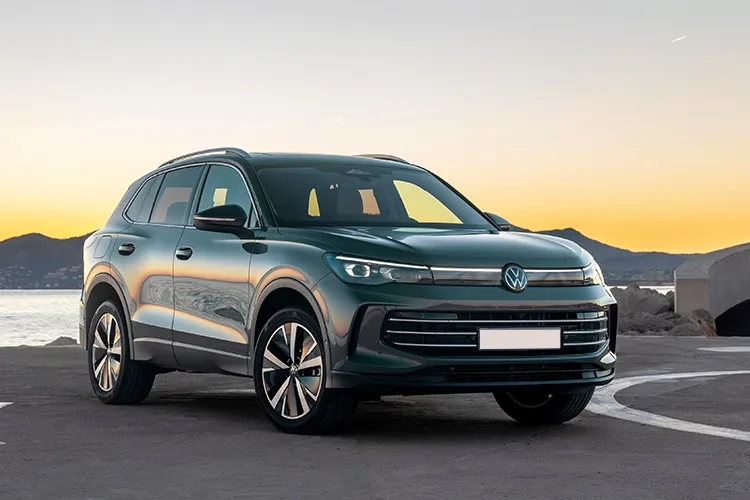
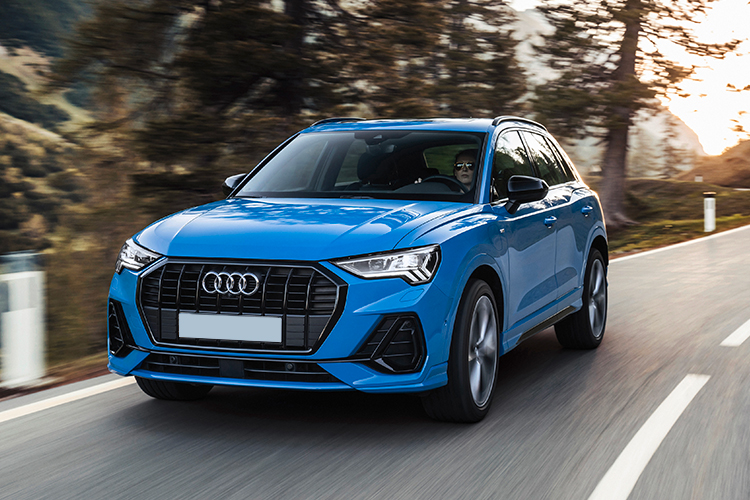
Plug-in hybrid electric vehicles (PHEVs)
.png)
PHEVs consist of a battery and electric motor in addition to a petrol engine. Like a BEV, these vehicles can also be plugged in to charge the battery. However, while these cars begin in electric mode, they switch to fuel once the battery is low as the engine will kick in.
Unique features
- Electric-only range varies from 20-60 miles (depending on model)
- Total range (with fuel) is similar to regular petrol cars
Example models
Hybrid Electric Vehicles (HEVs)
.png)
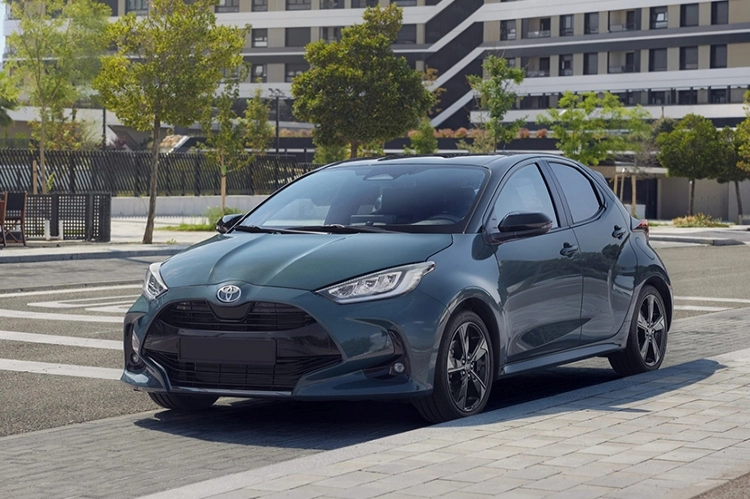
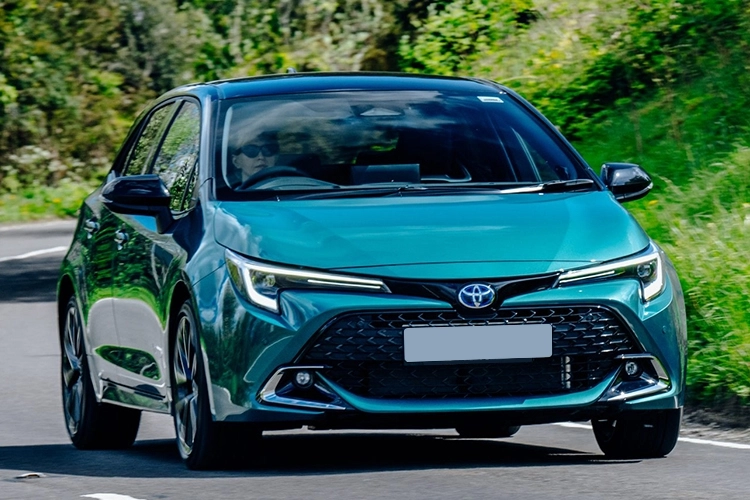
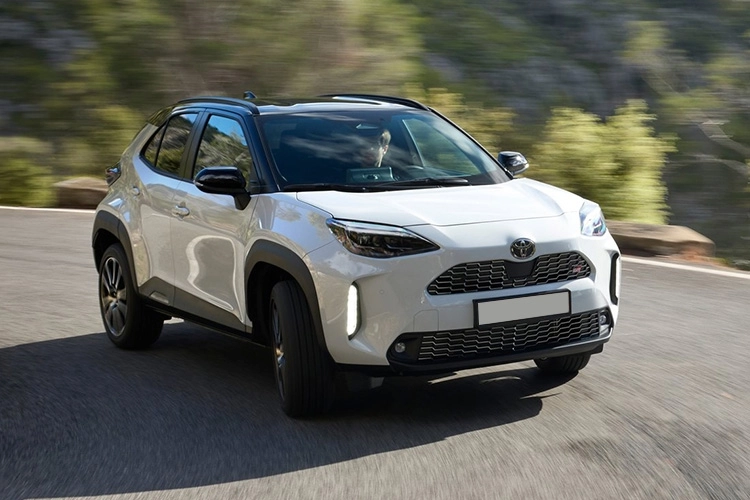
HEVs use an engine alongside a small electric motor. Unlike a BEV and a PHEV, there is not a plug-in option, with the battery instead charged automatically through braking and the engine itself.
Unique features
- Electric motor assists the engine – particularly at low speeds
- Improves fuel efficiency rather than replacing fuel
Example models
What is the future of electric cars?
Although there are a number of myths that surround EVs, their future looks very bright indeed.
With the UK government planning on phasing out the production of new petrol and diesel vehicles by 2030, it seems inevitable that electric cars are the future of motoring.
But what does the future in EVs look like in practice?
We explain several of the key areas below.
More people will convert to EVs
Over the long term, it would be a safe bet to predict that EVs will eventually dominate the market. In fact, it’s forecast that EVs will make up over 80% of the global market by 2040, which would support this theory.
However, it’s worth noting that some countries are quicker to adopt EVs than others due to differing geopolitical reasons such as:
- Government policy
- Fuel prices
- Charging infrastructure
- Energy costs
- Culture
- Disposable income
For example, we’re seeing a strong uptake of EV adoption across Europe. In our case in the UK, factors such as the government phasing out new petrol and diesel cars by 2030 alongside the increased cost of fuel is seeing a significant rise in the EV market.
And as these factors persist, the switch from petrol and diesel to EV will undoubtedly continue to rise.
Gradual price tag decrease
While not always the case, EVs are generally more expensive than their petrol and diesel equivalents.
Despite this, we’ve started to see a decrease in the price tags of EVs, which will undoubtedly be welcomed by motorists. Reasons for this include:
- Increased number of batteries
- Access to government incentives (e.g. Electric Car Grant)
- More affordable Chinese brands entering the UK market
As these trends continue and EV cars gradually become standard, the likelihood is that we will experience further price decreases over the long term.
Find out more about how you can be eligible for the Electric Car GrantFurther focus on battery tech and charging infrastructure
Range anxiety is a major factor for those who haven’t switched to an EV. In other words, some motorists aren’t convinced by the range an EV can achieve in comparison to the mileage of a petrol or diesel car.
And although more motorists are embracing EVs, the future will see car manufacturers focus on further improvements to battery technology while there will also be increased investment in overall charging infrastructure. This will see:
- Batteries providing longer ranges and faster charging
- Rapid expansion of public charging e.g. fuel stations and workplaces
- Increased number of ultra-rapid chargers
With EV technology and infrastructure developing further over the long term, it’ll make owning an EV increasingly more desirable.
Explore our EV options
Are you considering making the switch to an EV?
If so, check out our impressive selection of EVs at exclusive discounted prices for eligible frontline workers. Once you see something you like, contact our friendly team of professionals who will provide further details while finding the best possible price.
Speak to a member of the teamAre you eligible?
At Motorfinity, we offer brand-new cars to a broad range of frontline sectors. If you're a frontline worker, you could be driving away in your dream car at a discounted price!
Find out if you are eligible for a brand-new carFAQs
Related articles

Electric Car Grant vehicle eligibility: how EVs have become more affordable
Estimated Read Time: 5 minutes
Find out how the government has made purchasing an EV more affordable with their Electric Car Grant incentive.
Read more
ICE vs EV: why you should consider making the switch
Estimated Read Time: 5 minutes
Find out more about the differences between an internal combustion engine vs an electric vehicle and why it may be time to convert to the latter.
Read more
2026 Ford Puma Gen-E review
Estimated Read Time: 5 minutes
Read our in-depth review of the Ford Puma Gen-E and how you can secure yours at a discounted price today.
Read more