

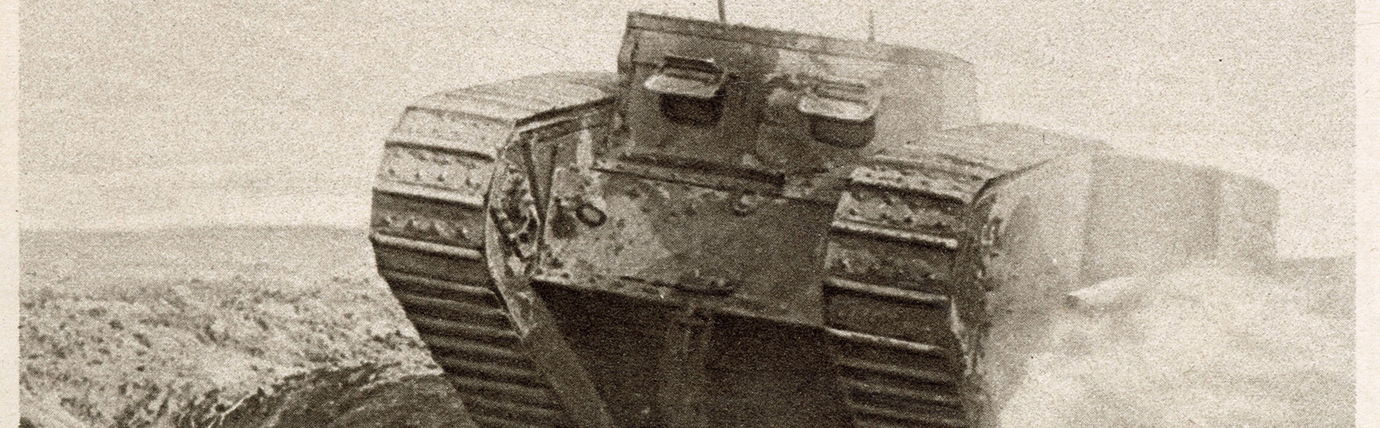
At the Battle of the Somme, the tank entered combat as an unreliable experiment with a 51% failure rate. Within two years, it had become an indispensable weapon of modern war, proving that innovation, even imperfect innovation, can reshape the course of history.
Table of Contents
- Early 1915: The birth of a secret weapon
- Early 1916: From prototype to production
- September 15, 1916: Tanks enter combat
- November 1916: Proving their worth
- Late 1915-1918: The French innovation
- Germany's tank failure
- Summer 1918: The tank comes of age
- Lessons learned
- Honouring the men and women of our Armed Forces
A timeline of some of the most impactful facts about tank history from early 1915 through the summer of 1918 follows, including:
- The surprising origin of the name "tank" as a cover story
- Winston Churchill and the Royal Navy's unexpected role
- The dramatic first combat use with its 51% failure rate
- The psychological terror tanks inspired in enemy troops
- The male/female naming convention
- France's revolutionary rotating turret design
- Germany's failure to keep pace with only 20 tanks produced
- The transformation from experimental weapon to standard battlefield equipment
Technical developments of the tank are woven with vivid eyewitness accounts.
Early 1915: The birth of a secret weapon
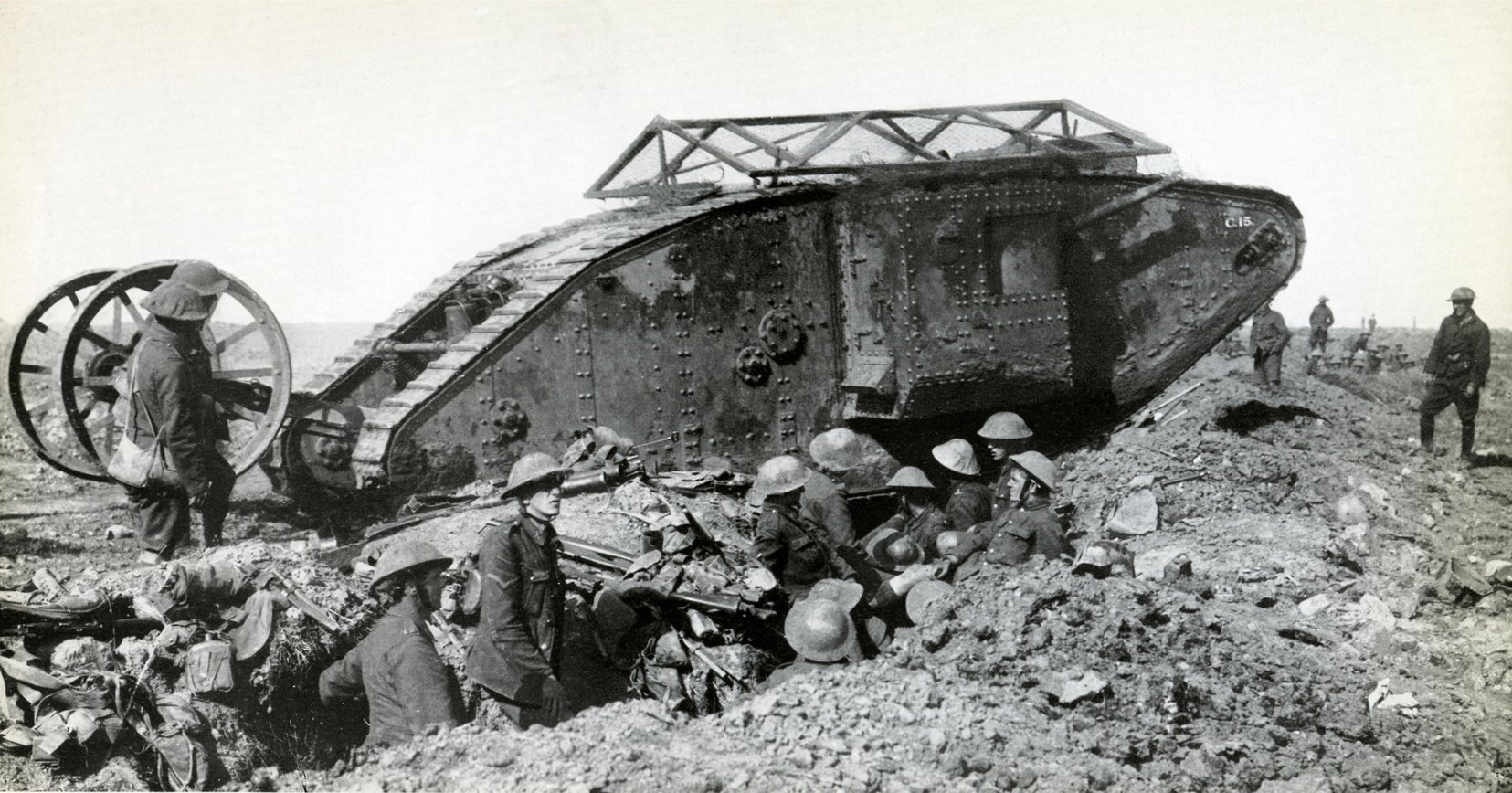
Winston Churchill, serving as First Lord of the Admiralty, established the Landships Committee to develop an armoured vehicle capable of crossing the treacherous terrain of the Western Front. Ironically, it was the Royal Navy — not the Army — that led this groundbreaking land warfare innovation.
The name "tank" itself was born from secrecy. British forces disguised these revolutionary weapons as water tanks to prevent German intelligence from discovering their true purpose. Soldiers guarding the covered vehicles told curious onlookers they were simply "tanks," leading everyone to assume they were water storage containers.
Early 1916: From prototype to production
By early 1916, a working prototype emerged from the collaboration between military strategists, engineers, and industrialists. The design was so promising that the Army immediately ordered 100 machines. These vehicles underwent secret field testing at Barnham in Norfolk, with security so tight that operators faced a £100 fine (approximately £4,500 in today's money) or six months imprisonment for disclosing what they were working on.
September 15, 1916: Tanks enter combat
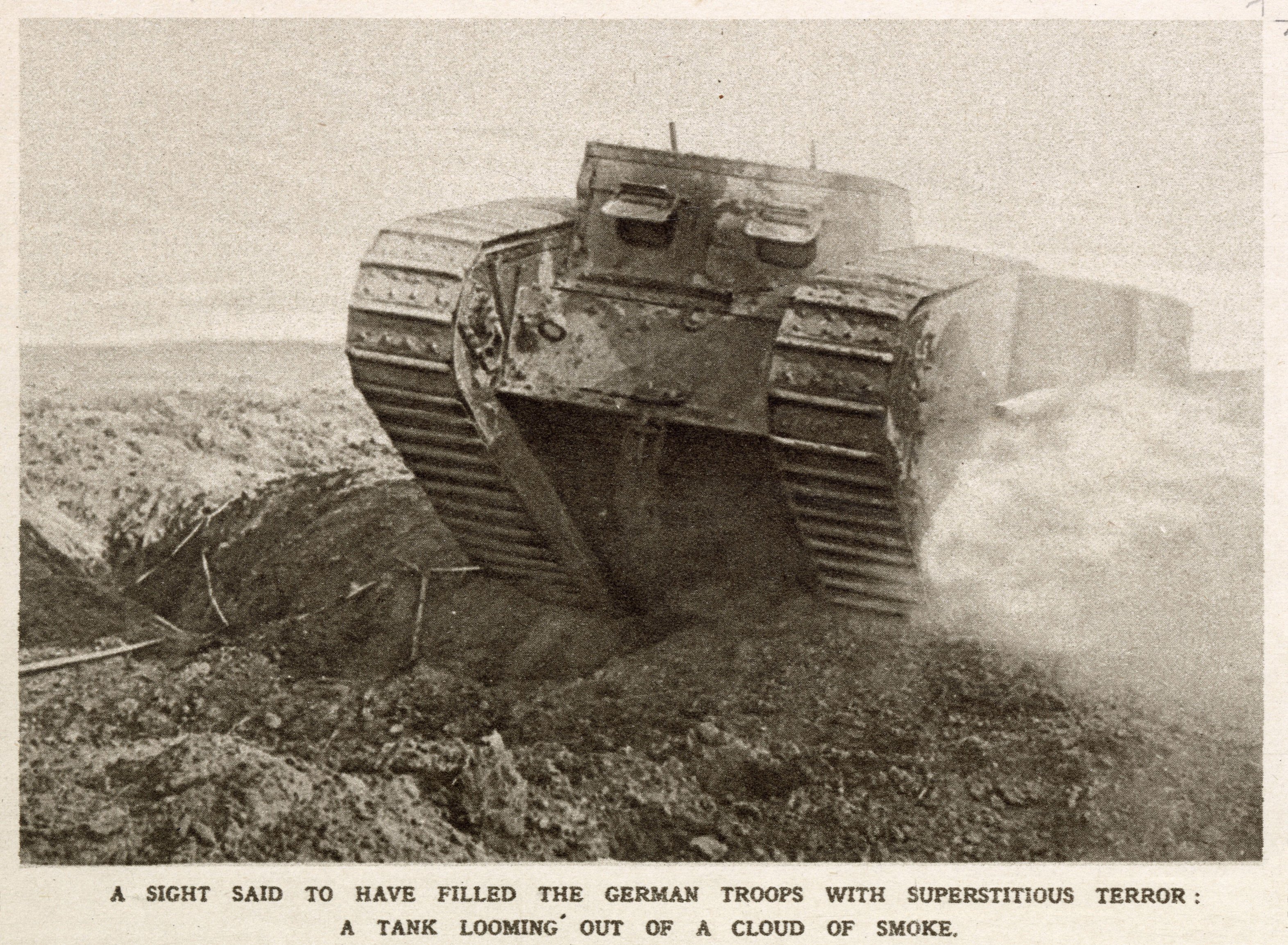
The Battle of Flers-Courcelette marked the historic first use of tanks in warfare. Of the 49 tanks deployed, only 25 managed to move forward at the start of the attack — revealing just how unreliable these early machines were. Yet their psychological impact was immediate and devastating. German soldiers, facing these lumbering metal monsters for the first time, either fled in terror or surrendered en masse.
British military witnesses were equally astounded:
“It was a horrifying sight. Tanks rolling over shell holes without stopping, created a funny sensation to think that all these were coming and they were on our side.
Strangely, these pioneering tanks were designated as "male" and "female" — half of the 25 operational tanks at Flers-Courcelette bore each designation, reflecting the gendered naming convention that has persisted in terms of military equipment.
November 1916: Proving their worth
During the final stage of the Battle of the Somme on the Ancre, tanks demonstrated their value despite ongoing reliability issues. When only two of six assigned tanks arrived at a German strongpoint, their mere presence caused 200-300 Germans to immediately surrender with white flags. The psychological warfare effect was undeniable.
Late 1915-1918: The French innovation
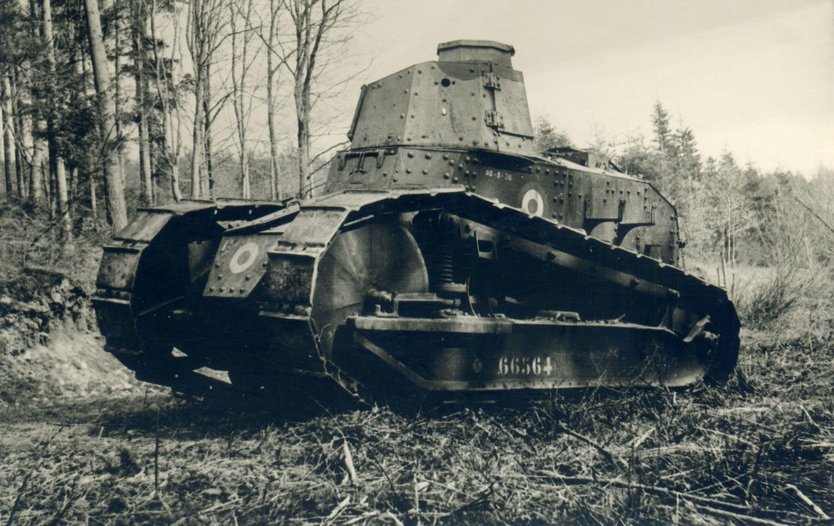
France began its own tank development in late 1915, ultimately creating the Renault FT light tank. This French design revolutionised tank warfare by introducing the first fully rotating turret containing the tank's main armament — a feature that became the foundation of all tank design from that point forward. Over 3,000 Renault FTs were produced by late 1918.
Germany's tank failure
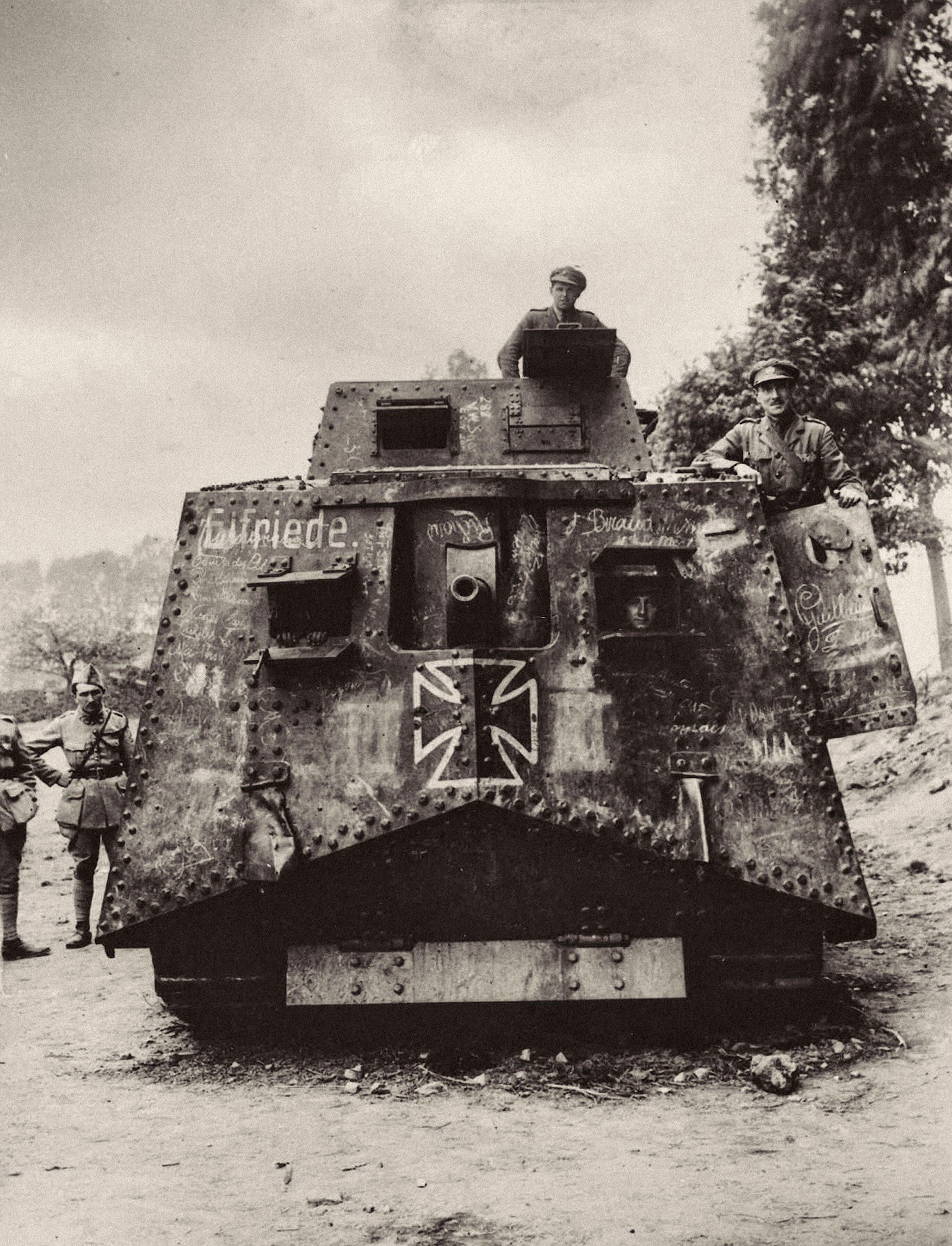
By contrast, Germany lagged badly behind in tank development. Rather than producing their own fleet, German forces often salvaged and repurposed captured British and French tanks. Germany did develop the A7V tank, but managed to produce only 20 units during the entire war — a stunning failure compared to Allied production.
Summer 1918: The tank comes of age
By the summer of 1918, tanks had evolved from experimental curiosities to standard elements of British combat doctrine. Around 2,600 tanks had been manufactured, and as production increased and reliability improved, they became commonplace on the battlefield. What had begun as a desperate innovation to break the stalemate of trench warfare had transformed modern combat forever.
Lessons learned
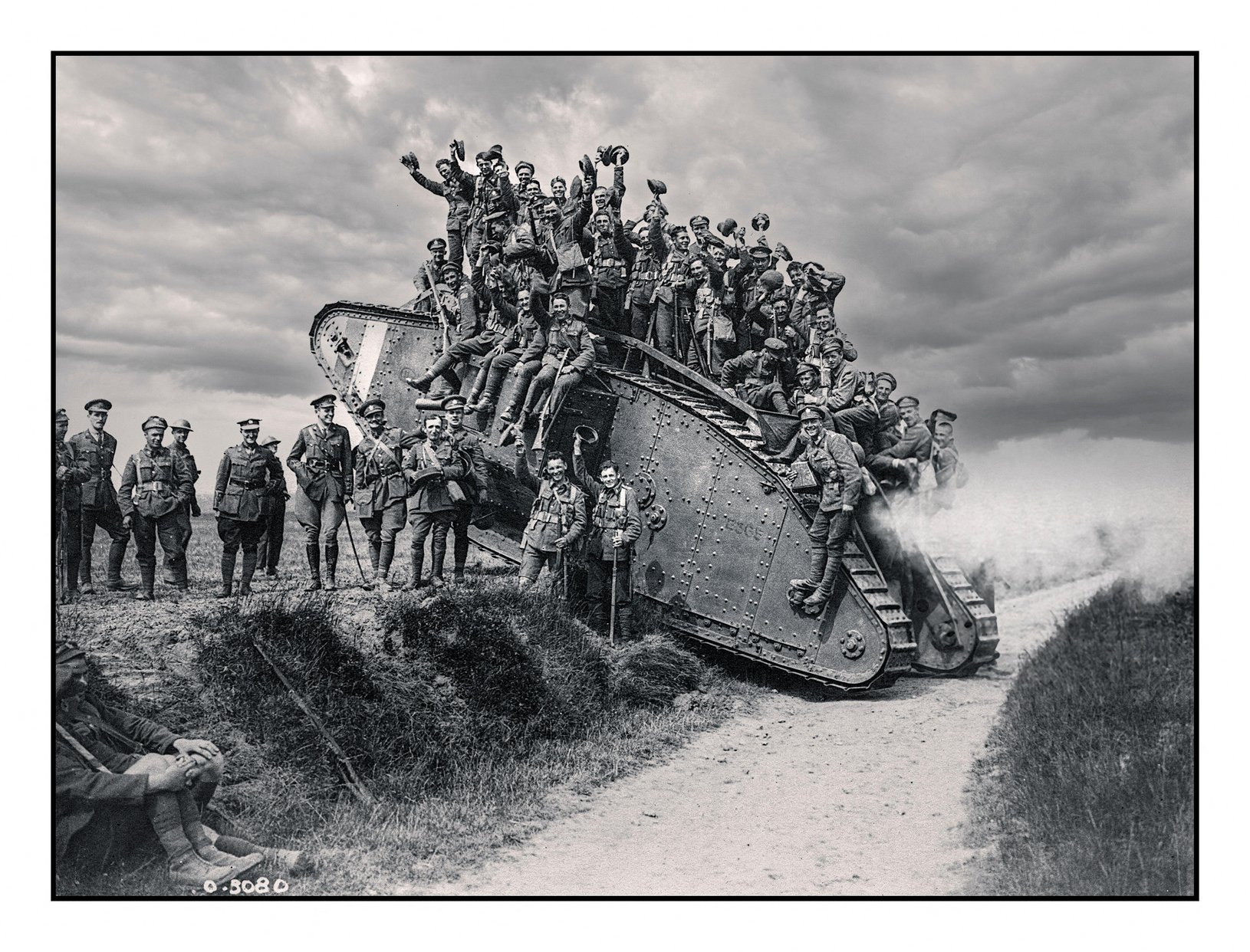
The tank's debut revealed both its potential and the military's unpreparedness to exploit it. When German resistance collapsed at Flers-Courcelette, British forces had no cavalry ready to pursue and capitalise on the breakthrough — a missed opportunity that could have dramatically shortened the war.
Yet the tank had proven its worth. From the terror it inspired in enemy soldiers to its ability to crush barbed wire and cross trenches that artillery couldn't clear, this odd vehicle — born from secrecy, named after water containers, and operated by volunteers who saw it as protection from the weather — changed warfare permanently.
Honouring the men and women of our Armed Forces
At Motorfinity, our exclusive new car discounts exist for one reason: to say "thank you" to the eligible frontline workers whose dedication makes such a difference to the communities around us.
That same spirit is why we feel it matters to recognise the sacrifices made by Armed Forces personnel – past and present – in keeping our country safe. Our gratitude and support will always extend to those who serve, and to the families who stand behind them.
Header image credit: Alamy Stock Photo
Related articles
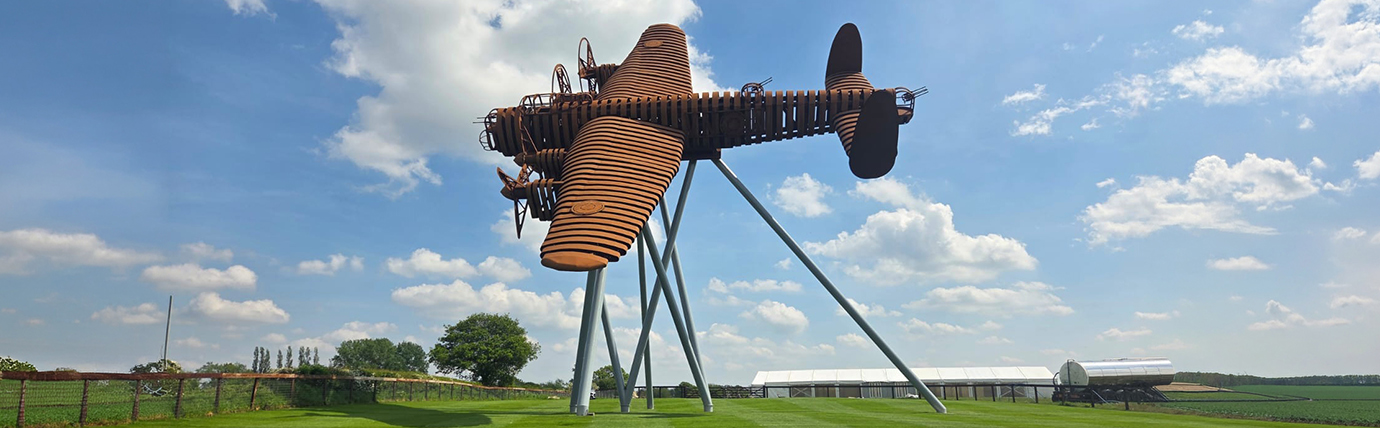
On Freedom’s Wings: the last mission home
Estimated Read Time: 5 minutes
Find out more about the impressive history that surrounds 'On Freedom's Wings'.
Read more
Our day of reflection at the National Memorial Arboretum
Estimated Read Time: 5 minutes
Find out more about our breathtaking experience at the National Memorial Arboretum.
Read more
A personal Battle of the Somme anniversary story
Estimated Read Time: 5 minutes
Read Renee Foster's personal story about her grandparents to commemorate the Battle of the Somme.
Read more