

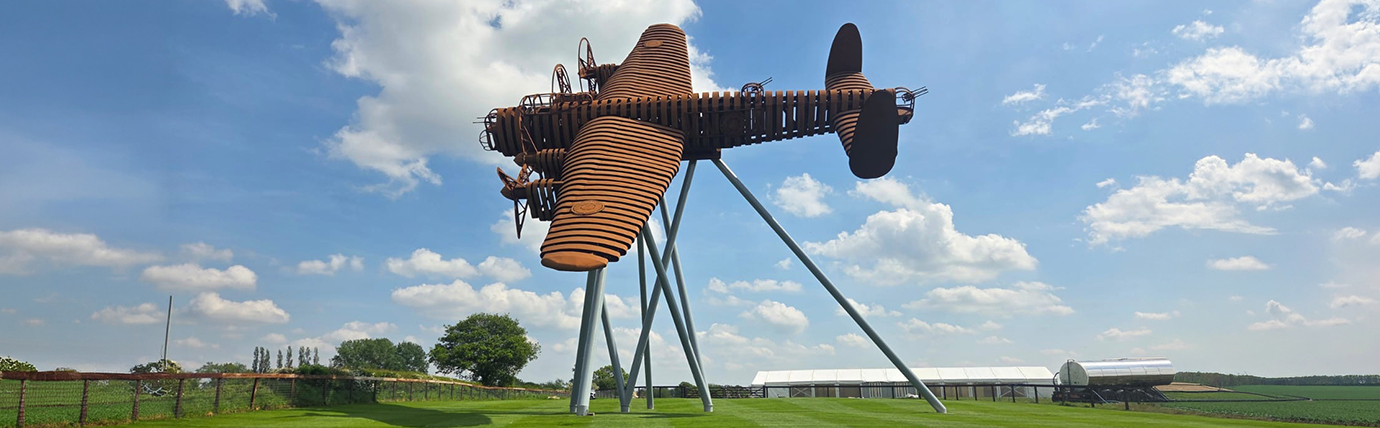
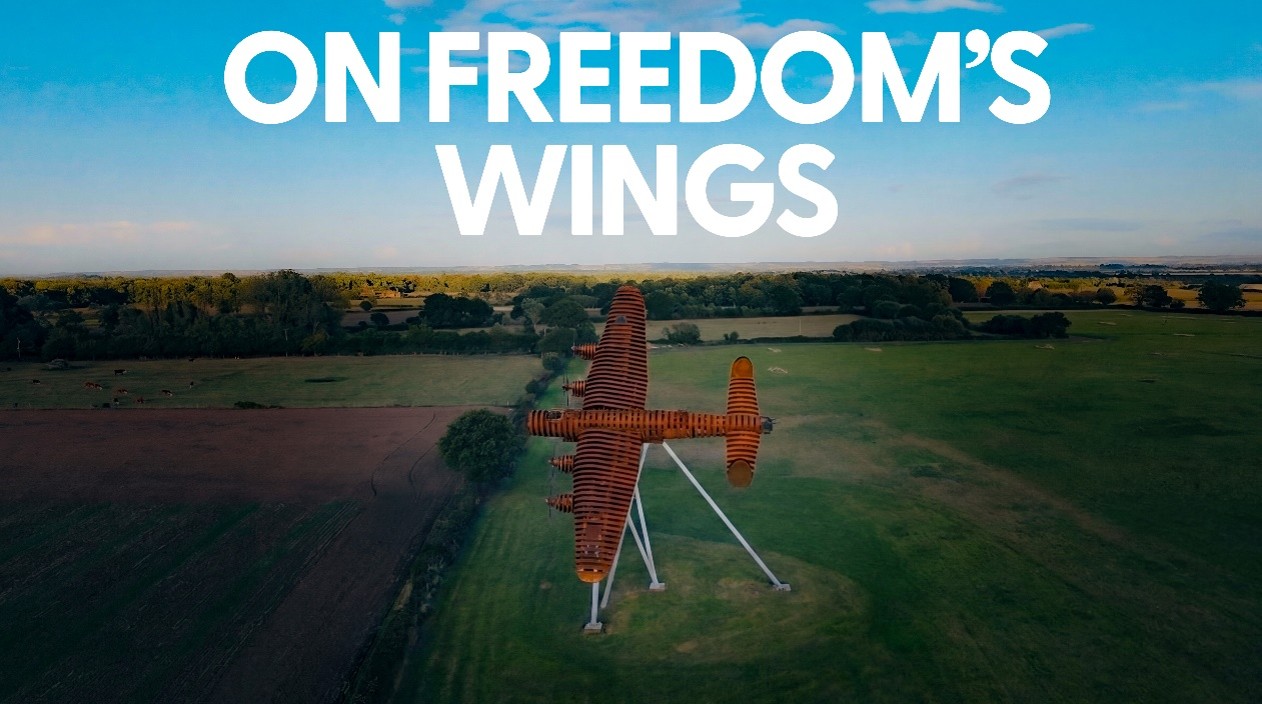
On the border between Nottinghamshire and Lincolnshire, a remarkable silhouette now commands the skyline. Standing 29 metres high with a wingspan of 31 metres, a full-sized steel sculpture of an Avro Lancaster bomber appears frozen in flight, heading home across the fields that once echoed with the roar of wartime engines.
Table of Contents
- Born from conversation and commitment
- The Lancaster R5689 VN-N Aircrew
- The human cost behind the steel
- Inside the flying death trap
- Engineering ambition meets artistic vision
- Attention to detail
- Groundbreaking
- Recognition long overdue
- A living tribute
- Proud to support the Armed Forces
- Providing exclusive discounts for the Armed Forces
This is 'On Freedom's Wings' – an extraordinary tribute to the 55,573 men of RAF Bomber Command who never returned from their missions over occupied Europe.
Born from conversation and commitment
What began as an idea shared over wine between friends, has evolved into one of Britain's most ambitious, community-driven landmark projects ever undertaken in modern British history.
The location itself holds deep significance. Just three kilometres from the former RAF Swinderby, the site overlooks the crash location of Lancaster R5689 (VN-N), which came down on 19 September 1942 as it limped home from a mission over the Baltic Sea.
The Lancaster R5689 VN-N Aircrew
Of the 7 crew members on board, there were 3 Australians, (2 injured, 1 killed), 2 Canadians, (1 injured, 1 killed), and 2 Englishmen, (both killed).
Their average age was just 23. 6 of these brave men included the below.
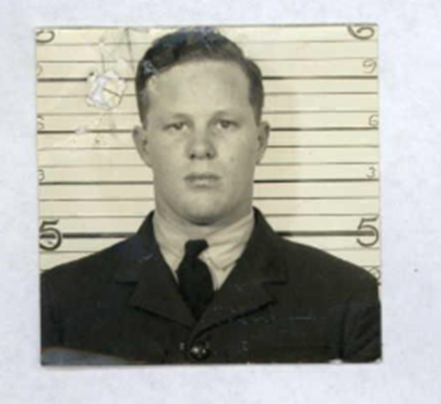
Edward Morley
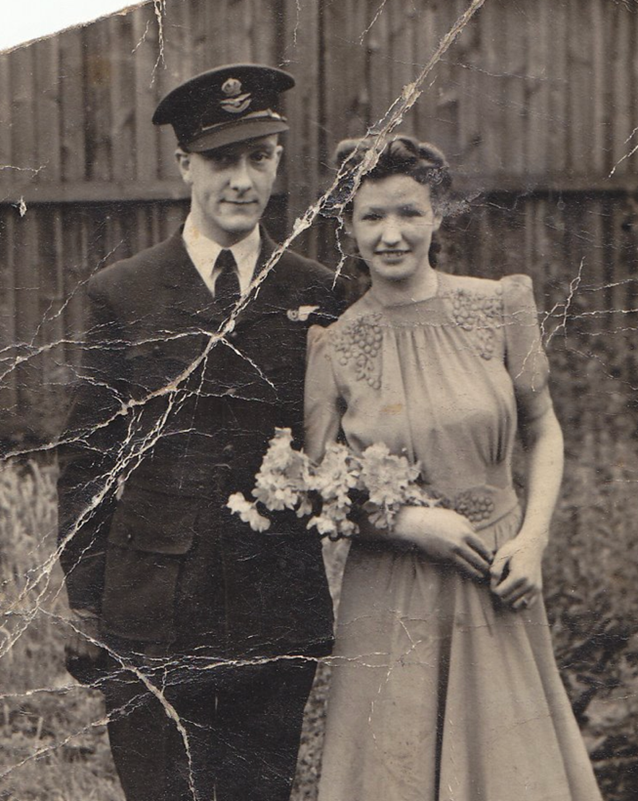
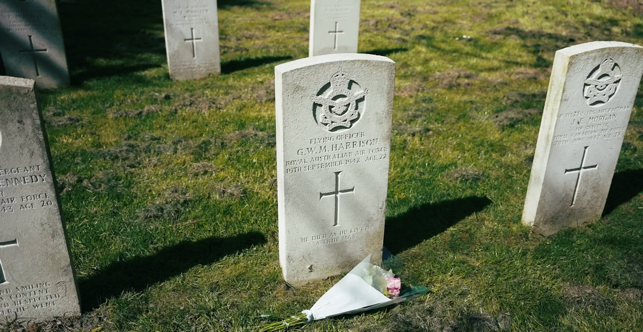
George Harrison and his bride
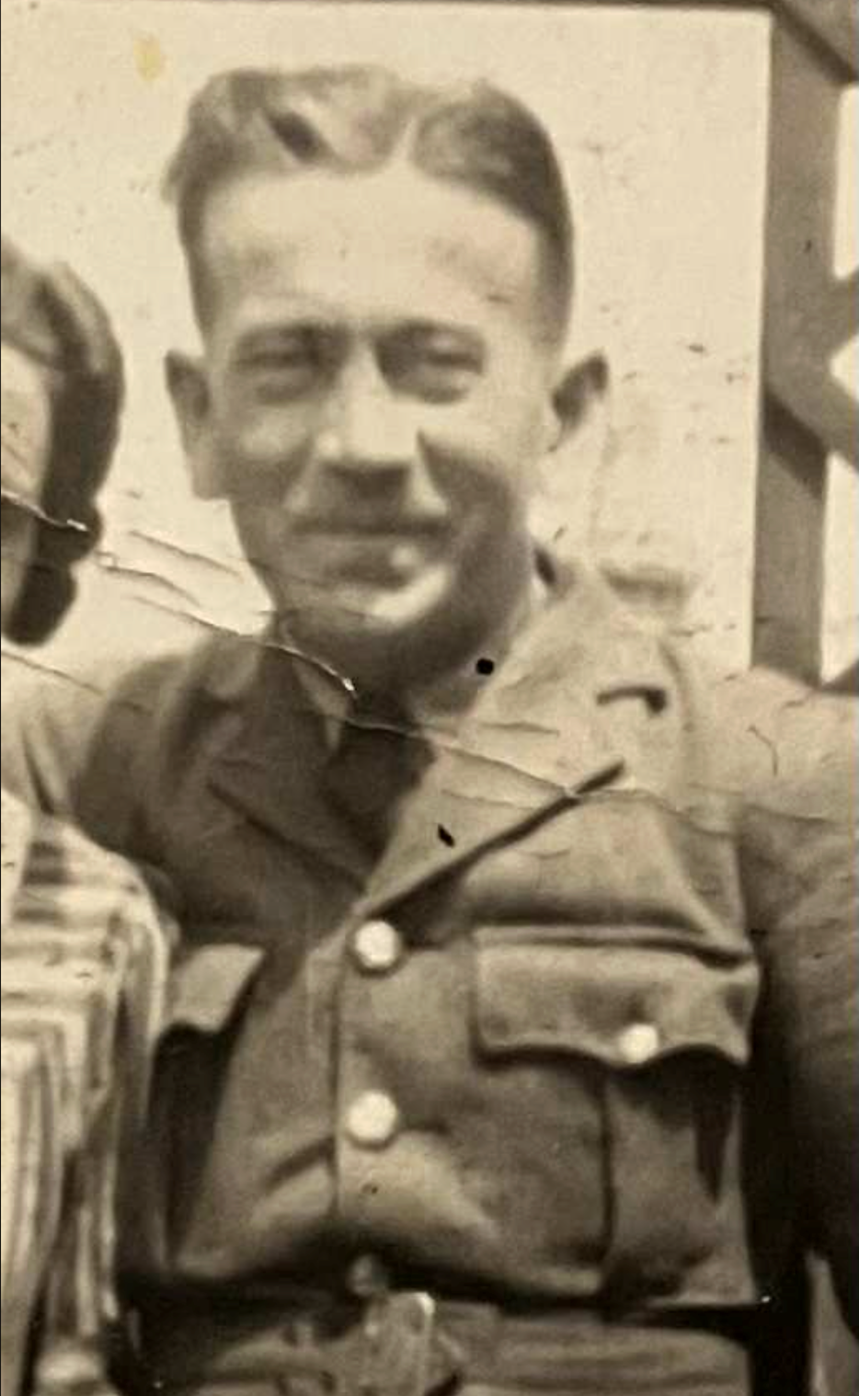
Harry Male
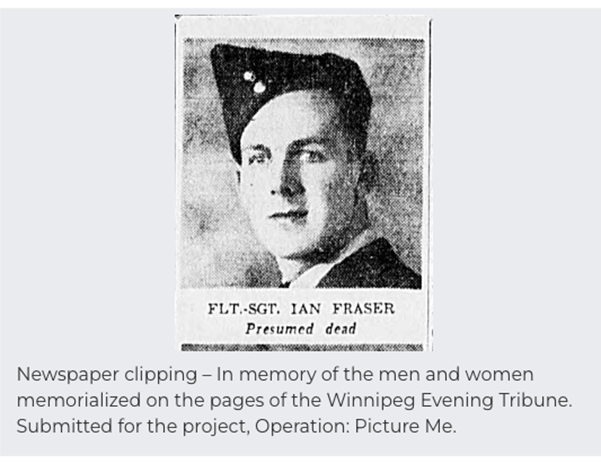
Iain Fraser
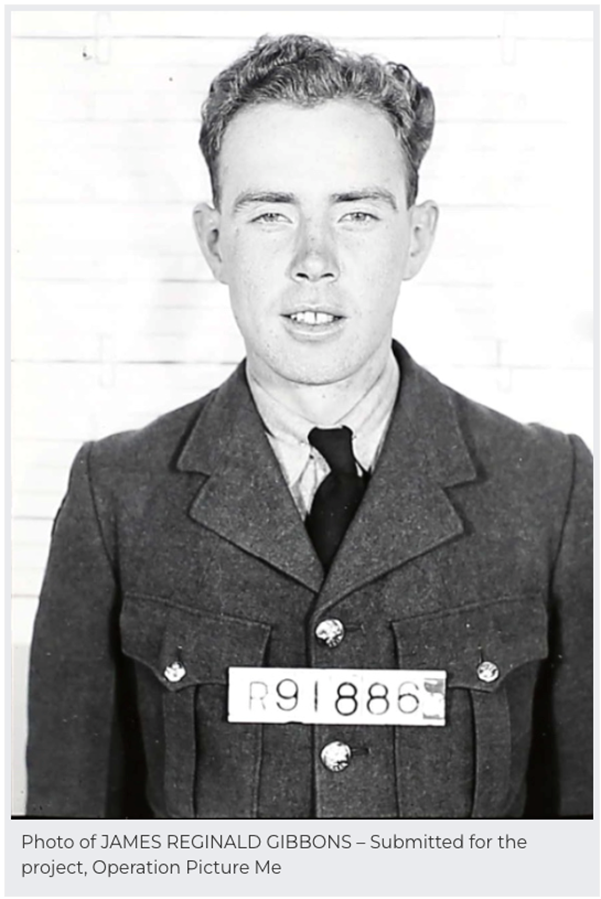
James Gibbons
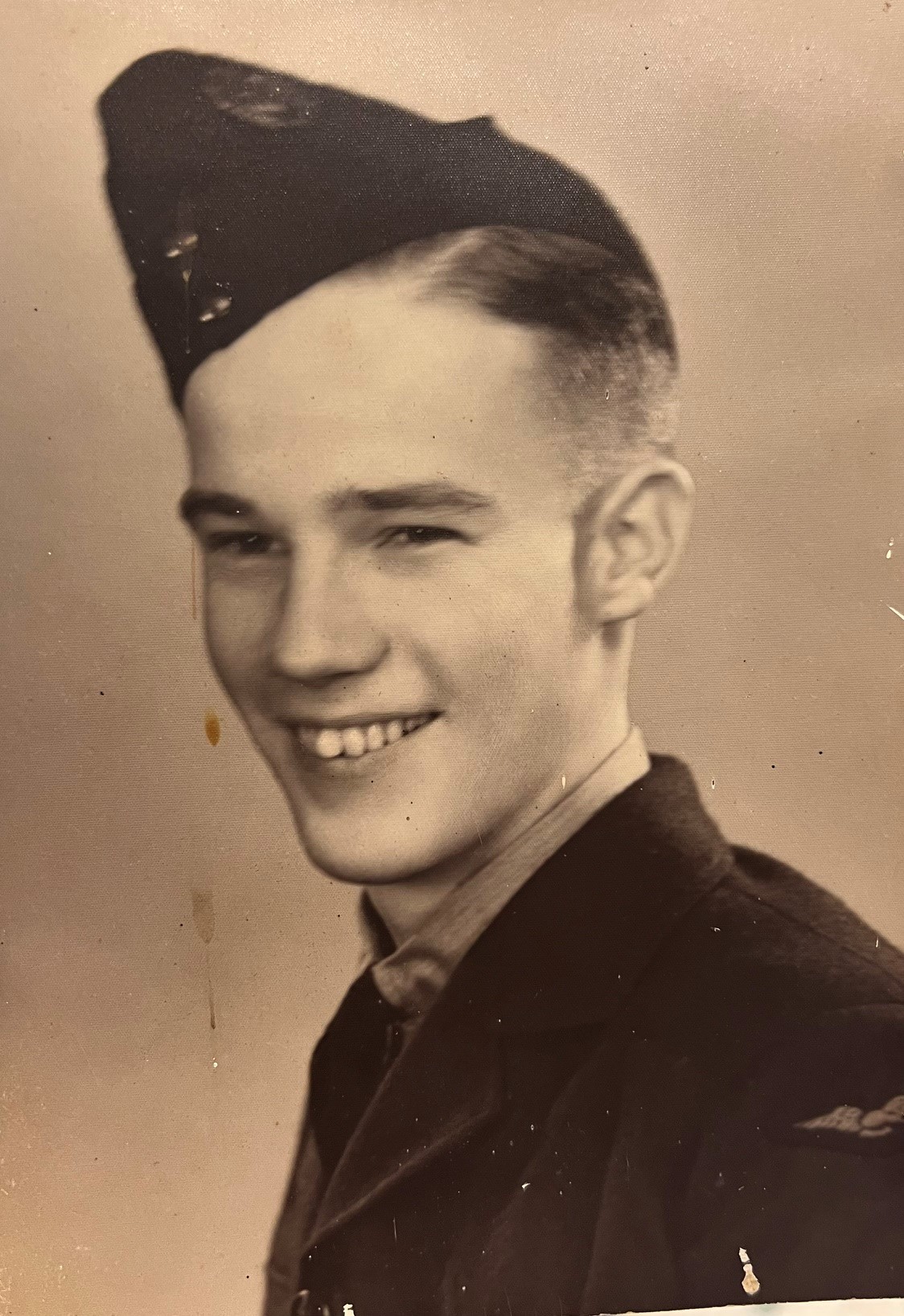
John Dalby
The human cost behind the steel
The statistics of Bomber Command tell a story of extraordinary sacrifice:
- 125,000 aircrew served – every single one a volunteer
- 72% were killed, seriously injured, or taken prisoner of war
- More than 44% were killed in action
- The average age at death was only 23 years old
- Casualty rates were higher than any other British service.
A full tour of duty required 30 missions. With an average loss rate of 5%, most crews were fortunate to survive beyond 20 sorties. Each airman was instructed to complete his will before his first mission – a sobering acknowledgment of the odds they faced.
Inside the flying death trap
The Lancaster, for all its grace and engineering prowess, was a flimsy rattling vessel with a skin 0.7mm thick, filled with aviation fuel and high explosives.
Tail-gunner Bob Pierson, who flew from nearby RAF East Kirkby, later recalled his position as "a tiny PERSPEX-encased coffin" where he sat unable to move for up to eight hours at temperatures of minus-30 degrees Celsius.
"In some ways the hardest part was one minute leading an ordinary life," Pierson remembered, "then we were off to drop bombs on Berlin or the Ruhr valley in the middle of the night, knowing we might never come back. You came back from a raid and seven beds in your hut were empty. Seven friends gone – men you had been laughing and joking with a few hours earlier."
The crew of seven worked in cramped, freezing conditions with one shared purpose: to take the war to Hitler's heartland when Britain stood alone. From 1940 to 1944, before the D-Day landings, Bomber Command represented the only means of striking directly at Nazi Germany.
Engineering ambition meets artistic vision
The construction of 'On Freedom's Wings' has been a feat of engineering prowess.
The sculpture weighs 92 tons and is mounted on foundations containing over 1,000 tons of steel and concrete. The mild-steel structural frame is partially clad in mild steel sheet which, as it weathers and rusts, will take on colours like the original wartime markings of VN-N – coincidentally the most photographed Lancaster of the war.
Standing 9 metres taller than the Angel of the North, the monument will be visible to around 34,000 drivers daily on the A46, serving as a permanent gateway reminder of Lincolnshire's aviation heritage.
Attention to detail
The Germans were adept at locking on their searchlights to the Avro Lancaster to make them easy targets during their night raids over occupied Europe. The aircraft was totally exposed, and their only salvation was a dangerous corkscrew manoeuvre sending everything spinning inside the aircraft including the latrines! The stanchions supporting the structure symbolise these searchlights.
In the case of the Avro Lancaster VN-N which crashed near this site, 2 propellers failed as it made its final approach. Look carefully at the sculpture and you will see only 2 propellers spinning.
Such is the attention to detail on the model.
Groundbreaking
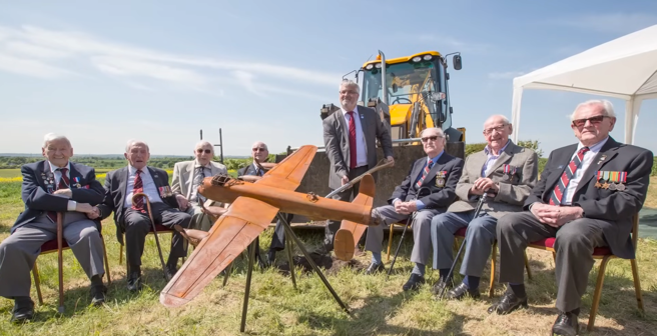
On 15 May 2018, eight veterans of Bomber Command, including Squadron Leader George "Johnny" Johnson MBE, DFM – Britain's last surviving Dambuster – cut the turf to mark the start of construction. Their presence blessed the beginning of a project years in the making.
Recognition long overdue
For decades after the war, the men of Bomber Command faced an uncomfortable silence about their service. Winston Churchill, who had backed the bombing campaign throughout the conflict, conspicuously omitted any mention of Bomber Command in his 1945 victory address.
The strategic bombing of German cities, which killed an estimated half a million civilians, became a source of national unease rather than pride.
"We were all depicted as butchers," one former pilot recalled. "It was trial by modern liberal conscience, with no right for the defence to call its witnesses."
Yet as one Dutch housewife wrote to the RAF after liberation: "The throb of your bombers overhead at night sounded like music in our ears. It was an anchor to which we clung in the dark days."
It was not until 2012 that Bomber Command received its official memorial in London's Green Park. 'On Freedom's Wings' continues this overdue recognition, creating a powerful focal point for remembrance in the heart of Bomber County itself.
A living tribute
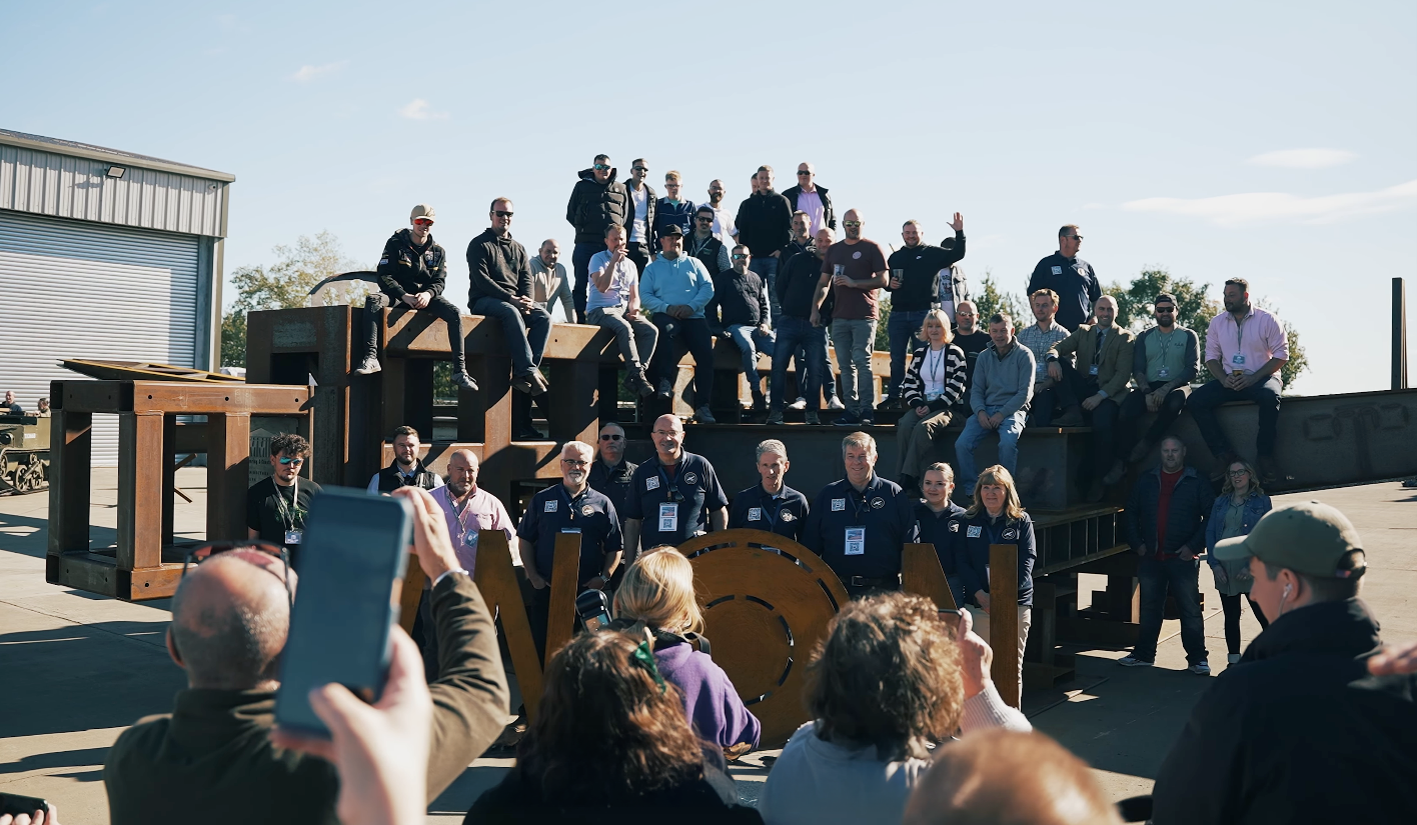
Charlie White, Chairman of the Bomber County Gateway Trust, speaks for the entire team of volunteers: "We are incredibly proud that so many people's time, effort and determination has culminated in this significant achievement. We remain thrilled with the response this amazing sculpture has received."
The installation was erected in early September 2025, and a dedication ceremony was held in May 2026. Although the site is not officially opened to the public yet, there is a splendid viewing point close by.
Location: Norton Disney, Lincolnshire. LN6 9JN (on the A46, Notts/Lincs border).
As the sculpture takes its place on the Lincolnshire skyline, it serves as more than a monument to the past. It stands as a perpetual reminder of what ordinary young men achieved through extraordinary courage – night after terrifying night, mission after mission, when the fate of freedom hung in the balance.
Every volunteer who served in Bomber Command knew the odds.
They flew anyway.
'On Freedom's Wings' ensures their sacrifice will never be forgotten.
"When passionate people come together, great things happen."
For more information:
- Website: www.bombergatewaytrust.co.uk
- Email: bombercountytrust@gmail.com
- Facebook: @OnFreedomsWings
The Bomber County Gateway Trust is a registered charity. All positions are voluntary, staffed by individuals contributing time outside their employment. Please allow time for responses to enquiries.
Proud to support the Armed Forces
Motorfinity is proud to support serving Armed Forces and Armed Forces Veterans. We are committed to raising awareness of charities and projects to keep stories alive lest we forget.
The Motorfinity Marketing Team has had great pleasure helping to raise awareness of On Freedom’s Wings by documenting the background story, interviewing those behind the scenes giving their time so freely, and capturing special moments along the way to completion.

Providing exclusive discounts for the Armed Forces
Motorfinity offers exclusive discounts to both current serving members of the Armed Forces and retired veterans on brand-new cars. Find out if you’re eligible today!
Speak to a member of the teamRelated articles
A day in the life of a community health worker
Estimated Read Time: 5 minutes
Find out more about a typical day as a community health worker at Beaumond House Hospice.
Read more
Our day of reflection at the National Memorial Arboretum
Estimated Read Time: 5 minutes
Find out more about our breathtaking experience when visiting the National Memorial Arboretum.
Read more_1718897366.jpg)
The RAF in World War 2
Estimated Read Time: 3 minutes
Find out more about the RAF during the World War 2 period.
Read more